CONQUERING "EUROPE'S ECONOMIC GIANT": WHY EXPANDING INTO GERMANY IS A STRATEGIC MOVE FOR SOUTH AFRICAN SMES
On an autumn day in 2023 in Stellenbosch, Western Cape, Sipho Mthembu—founder of EcoZuri Living (established in 2019)—received an email confirming a €35,000 trial export order from BioConcept GmbH, a reputable eco-friendly home goods distributor headquartered in Munich, Germany. Prior to that moment, EcoZuri operated primarily as a small-scale supplier for the domestic South African market and had long viewed Europe as an "impenetrable fortress" guarded by a daunting web of strict technical barriers.
Noticing the surge in green consumerism across Europe’s largest economy, Sipho made the bold decision to completely restructure his operations: standardizing their digital corporate profile, ensuring full supply chain transparency for their sustainably harvested woven products to achieve FSC certification, and proactively providing carbon footprint tracking data to their European partners. By early 2025, that initial trial order blossomed into a long-term commercial contract valued at €180,000 annually, bringing South African artisanal craftsmanship to over 40 retail chains across the state of Bavaria.
The success of EcoZuri Living is no isolated stroke of luck; it is a clear testament to how the German market operates: strict, demanding, but remarkably fair. Many business leaders mistakenly assume that entering Germany is an exclusive privilege reserved for massive multinationals with endless financial resources. However, macroeconomic data proves otherwise.
According to official reports from Germany Trade & Invest (GTAI) and the Federal Statistical Office of Germany (Destatis), the German economy boasts a GDP exceeding $4.4 trillion, contributing over 20% of the European Union’s entire economic output. Crucially, its economic backbone is built on the Mittelstand model—where small and medium-sized enterprises (SMEs) account for 99.3% of all businesses and generate more than 50% of the nation’s total value added. This business culture highly values SMEs and creates a remarkably open collaborative environment for international partners. German importers are actively looking to partner with small-scale suppliers from developing economies, provided these enterprises demonstrate transparency, stable production capacity, and strict compliance with technical standards.
THE GERMAN MARKET – EUROPE’S ECONOMIC POWERHOUSE: WHAT GROWTH OPPORTUNITIES AWAIT SOUTH AFRICAN BUSINESSES?
Capitalizing on opportunities in Germany does not merely boost short-term export revenue; it builds a sustainable competitive position in global trade thanks to the region's unique economic advantages.
First and foremost, Germany offers the largest and most stable consumer purchasing power in Europe. According to data compiled by Eurostat, German household consumption expenditure consistently leads the EU. Crucially, German consumers prioritize quality, durability, and environmental sustainability above all else. They are willing to pay a premium for items that meet rigorous eco-friendly standards and feature fully traceable supply chains, rather than chasing cheap, unsustainable alternatives.
Furthermore, successfully penetrating Germany creates a powerful strategic spillover effect across a business's entire export operation. Thanks to its central geographical connectivity and world-class logistics infrastructure—highlighted by the Port of Hamburg and Frankfurt’s air freight hub—Germany serves as Europe’s primary trade distribution engine. Once a South African product passes German inspection, it gains a "stamp of credibility" that unlocks neighboring high-standard markets like Austria, Switzerland, the Netherlands, France, and Belgium.
In addition, German market demand is shifting decisively toward specialized segments. Importers are no longer seeking mass-produced, low-cost commodity items. Instead, they focus on finding partners capable of supplying deep-processed goods, sustainable textiles, certified organic agricultural products, or high-precision industrial components. This structural shift creates vast headroom for specialized SMEs that focus on their core strengths.
WHY SMALL BUSINESSES ARE FULLY CAPABLE OF MASTERING THE GERMAN MARKET
The hesitation felt by small business owners when planning their first export drive to Germany often stems from traditional mindsets centered on capital scale and price wars. However, Germany's modern trade ecosystem strongly favors highly specialized enterprises with agile operations.
Rather than engaging in destructive price competition in mass market segments, small enterprises can position themselves strategically within specialized niches. The explosion of B2B e-commerce infrastructure and digital transformation solutions has fundamentally transformed client acquisition. Today, expanding international trade into Germany no longer requires massive capital investments to establish local representative offices or physical showrooms.
A compelling illustration of this strategy is Earthwood SA, an enterprise founded in 2018 in Howick, KwaZulu-Natal. In 2022, facing the EU's Single-Use Plastics Directive, Earthwood SA proactively pivoted its entire production line toward handcrafted kitchenware made from upcycled indigenous wood and coconut shells. Operating on a lean budget, the enterprise focused its resources on optimizing its digital presence, ensuring full compliance with EU food safety standards, and offering flexible design customization for small-batch orders. By mid-2024, Earthwood SA became a strategic supplier for BioHome, a green supermarket chain in Frankfurt, achieving an average annual export growth rate of 165% in the German market. Their lean scale allowed them to adapt product designs and respond to technical requests far faster than large industrial manufacturing plants.
WHAT GERMAN BUYERS SEEK IN A FUTURE SUPPLIER
For German procurement professionals, supplier selection is never driven purely by price. A high-quality product is merely a prerequisite to start negotiations; the deciding factor for signing long-term contracts lies in the supplier’s operational professionalism and absolute reliability.
German buyers demand consistent product quality: They require exact consistency between approved sample items and full production shipments, with zero tolerance for specification deviations or finishing defects.
German buyers prioritize reliability and accountability: Suppliers must demonstrate 100% adherence to all contractual terms, from packaging specs and labeling to item counts and delivery parameters.
German consumers and buyers demand value-chain transparency: Absolute clarity regarding legal company ownership, raw material provenance, and cost breakdown structures is essential for establishing trust.
German buyers demand compliance with standard certifications: Suppliers must have the capacity to satisfy both mandatory and voluntary market certifications, including ISO standards, CE markings, REACH chemical regulations, FSC forest management certificates, and Supply Chain Due Diligence requirements.
German buyers favor professional commercial communication: Rapid response times, concise communication that gets straight to the point, and factual data-driven discussions are valued far above vague promises or sales fluff.
German buyers set high benchmarks for delivery schedules: The ability to manage logistics and supply chains to ensure cargo arrives at the destination port on the exact agreed date is critical to preventing disruption to their business operations.
German clients require attentive support and issue resolution: Businesses must establish clear workflows for warranty handling, feedback reception, and technical issue resolution post-arrival.
German buyers seek a long-term partnership mindset: Partners actively look for suppliers willing to co-invest time in product R&D, continuous improvement, and annual optimization to adapt flexibly to market changes.
The case of Apex Technical Textiles (founded in 2017 in Gqeberha, Eastern Cape) highlights how meeting these expectations drives success. During a bid to supply flame-retardant industrial fabrics to a safety gear manufacturer in Hamburg in early 2024, Apex successfully outperformed six competing suppliers from South Asia. They won not by offering the lowest price, but by proactively providing a complete OEKO-TEX Standard 100 certification package, proof of compliance with the Supply Chain Due Diligence Act (LkSG), and a guaranteed day-exact delivery schedule. For German buyers, thorough legal preparedness and flawless operational commitment far outweigh a cheap quote that carries hidden risks.
THE BIGGEST OBSTACLES WHEN ENTERING THE GERMAN MARKET FOR THE FIRST TIME
While the commercial opportunities are immense, penetrating the German export market presents complex operational challenges that businesses must recognize and navigate strategically.
The first challenge arises from language barriers and profound differences in business communication culture. German professional culture is exceptionally direct, hyper-focused on technical details, backed by factual metrics, and strictly bound by legal commitment. Vague communication or inaccuracies in commercial documentation can permanently destroy trust during the very first interaction.
The second challenge lies in the stringent regulatory landscape, as Germany mandates strict alignment with European Union unified standards. Beyond basic product quality requirements, exporters must navigate complex regulations such as the Supply Chain Due Diligence Act (LkSG)—which mandates strict environmental and labor oversight across the entire value chain—and the Packaging Act (VerpackG). Failure to comply with these regulatory demands exposes goods to high risks of customs rejection or severe financial penalties.
The third challenge relates to logistics management capabilities and international payment risks. Fluctuating sea freight costs, complex customs procedures, and cross-border payment risks place significant pressure on working capital for growing SMEs.
The final challenge stems from the requirement for a clear, accessible online digital presence where German buyers can instantly evaluate supplier capabilities, review factory certifications, and conduct transactions. Lacking a standardized commercial website, a verified Digital Profile, or digital transaction infrastructure completely blocks remote vetting by buyers. Without a strong online digital footprint, opportunities to secure high-value export contracts will be severely restricted.
MULTIME AI ECOSYSTEM: THE TECH INFRASTRUCTURE HELPING BUSINESSES OVERCOME MARKET ENTRY BARRIERS
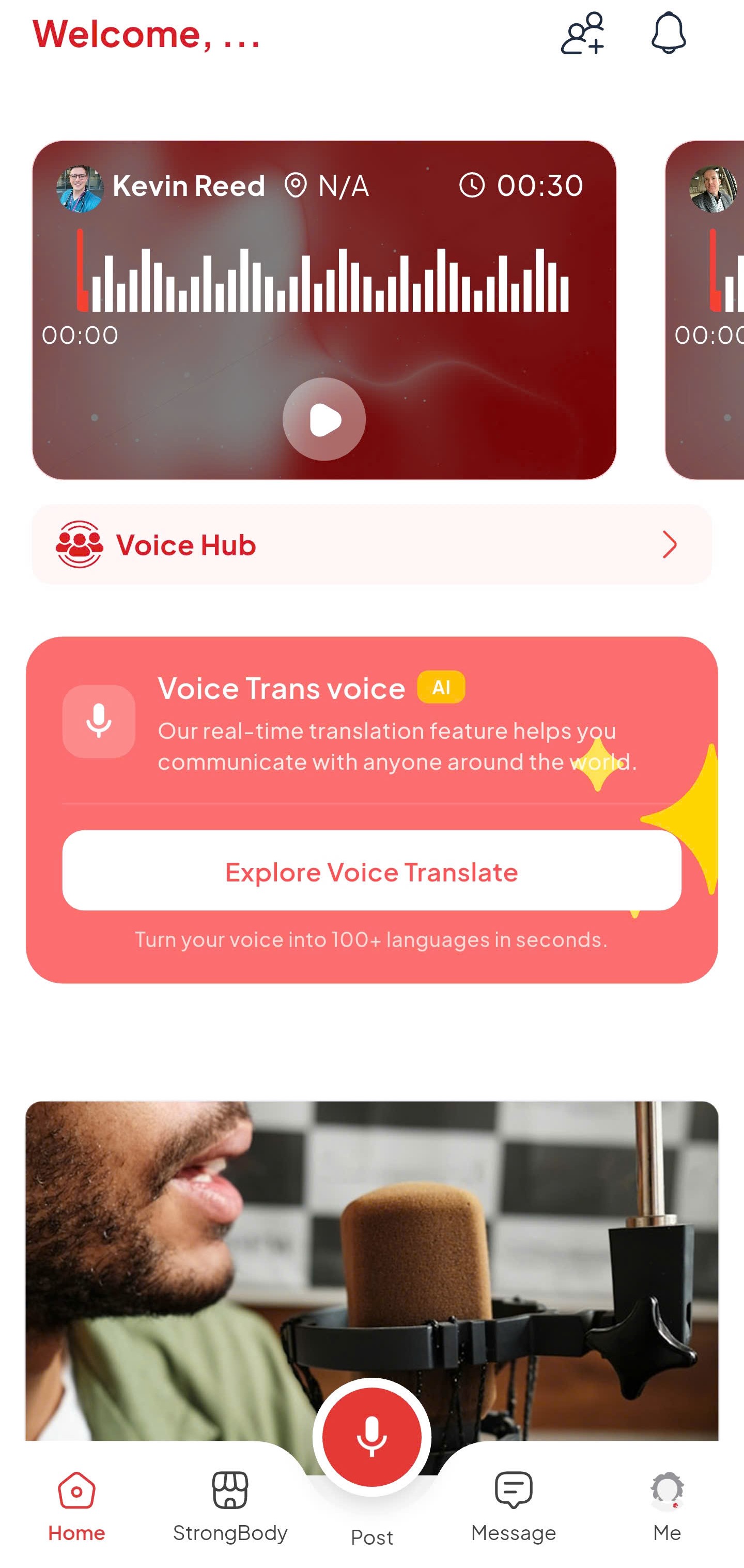
To systematically solve these operational hurdles, the MultiMe AI ecosystem is designed as a comprehensive technology infrastructure layer, enabling businesses to standardize processes and confidently execute international trade transactions.
The solution begins by helping businesses build a digital corporate profile tailored specifically to European buyer evaluation criteria. The system automatically organizes and presents legal documentation, manufacturing capacity metrics, and quality certification portfolios transparently and professionally, building immediate credibility during initial buyer reviews.
During commercial interactions, MultiMe AI’s automated multilingual communication capabilities eliminate language barriers completely. Beyond simple translation, the system assists in drafting formal commercial documents, responding to negotiation emails in proper business context, and adhering to German professional etiquette to ensure all communications remain precise and authoritative.
In particular, the Quotation Proposal feature optimizes the entire commercial negotiation workflow. By automating quotation structures, transparently detailing Incoterms and delivery conditions, and itemizing payment terms, this tool eliminates misunderstandings between trading partners during negotiations.
Furthermore, the platform's smart matching engine analyzes factory capacity data to connect suppliers directly with active international buyers seeking matching product lines. Combined with integrated tools for secure cross-border payment workflows, MultiMe AI minimizes operational risks, helping businesses seamlessly transition from domestic suppliers into global export enterprises.
CRUCIAL LESSONS FOR SUSTAINING LONG-TERM EXPORT OPERATIONS IN GERMANY
Achieving lasting success in Germany is never a simple matter of dropping a good product into a new market. It is the result of systematic operational capability building, seamlessly aligned along a sustainable linear value chain.
This progression begins with Product Quality—the foundational core that captures initial market interest. However, to convert interest into commercial deals, businesses must demonstrate Regulatory & Standard Compliance through mandatory legal and technical certifications. Once compliance is proven, Buyer Trust is established.
This trust must be continuously nurtured through Transparent & Professional Communication across every operational touchpoint. Subsequently, On-Time Delivery with consistent product specs firmly consolidates corporate reputation. The synergy of all these factors serves as the master key to unlocking Long-Term Strategic Partnerships, securing steady revenue and sustainable growth in this high-value market.
A great product gets a business through the door, but flawless operational execution and absolute reliability are what keep global partners invested for the long haul.
AN 8-STEP PRACTICAL ROADMAP FOR BUSINESSES LAUNCHING THEIR EXPORT JOURNEY
To translate strategic ambitions into measurable export results, businesses should execute the following 8-step structured roadmap:
Businesses must conduct thorough market demand research before initiating exports to Germany: Perform an in-depth analysis of consumer preferences, product standards, and industry trends in Germany to pinpoint market gaps.
Businesses must identify an appropriate niche segment for their German export strategy: Select a specialized product category where the enterprise holds a distinct competitive edge in raw material sourcing, production efficiency, or design customization.
Businesses must analyze competitors and pricing structures for German market entry: Conduct a detailed evaluation of existing market competitors, dissect logistics cost structures, and evaluate tariff implications to establish a competitive pricing strategy.
Businesses must audit and secure all compliance certifications required for German exports: Review all technical regulations, safety standards, and environmental certifications required by Germany and the EU to schedule testing and certification in a timely manner.
Businesses must standardize product data assets to support German export workflows: Compile detailed technical specification sheets, product catalogs, and accurate packaging data in professional English and German.
Businesses must build a professional digital presence for their German export expansion: Digitalize the corporate profile, optimize the official website, and refine commercial media channels to enable seamless remote vetting by prospective partners.
Businesses must establish commercial communication readiness when targeting the German market: Build structured protocols for receiving and handling international buyer inquiries, equipping staff or digital tools to deliver precise, multilingual communication.
Businesses must execute small-scale trial runs during the initial stage of exporting to Germany: Begin by fulfilling sample orders or small trial contracts to test and perfect production, packaging, and logistics workflows before scaling up full commercial shipments.
UNLOCKING THE GERMAN MARKET: A STRATEGIC TRANSFORMATION FOR SOUTH AFRICAN ENTERPRISES
Reflecting on the broader export landscape, expanding into Germany is not merely a short-term cross-border sales transaction; it represents a profound strategic transformation for South African SMEs. Successfully penetrating one of the world's most demanding economic markets creates a powerful leverage effect, elevating brand prestige and upgrading entire operational systems to meet world-class standards.
While legal requirements, technical hurdles, and cultural nuances present formidable challenges, modern digital technology and comprehensive support ecosystems are leveling the playing field between small enterprises and global corporations. When businesses shift their mindset from selling what they currently produce to delivering precisely what the German market demands—from transparency and compliance to long-term operational commitment—the doors to European trade open wider than ever. This journey demands discipline and structured investment, but the reward is a resilient, future-proof business model positioned for global trade leadership.
RECOMMENDED NEXT ARTICLE
Market Size & Growth Opportunities in Germany An in-depth analysis of German market scale, exploring high-potential export sectors and strategic growth opportunities that South African businesses can capitalize on right now.